Our Work
Recent Projects
A few finished driveways and patios from around Bossier City.
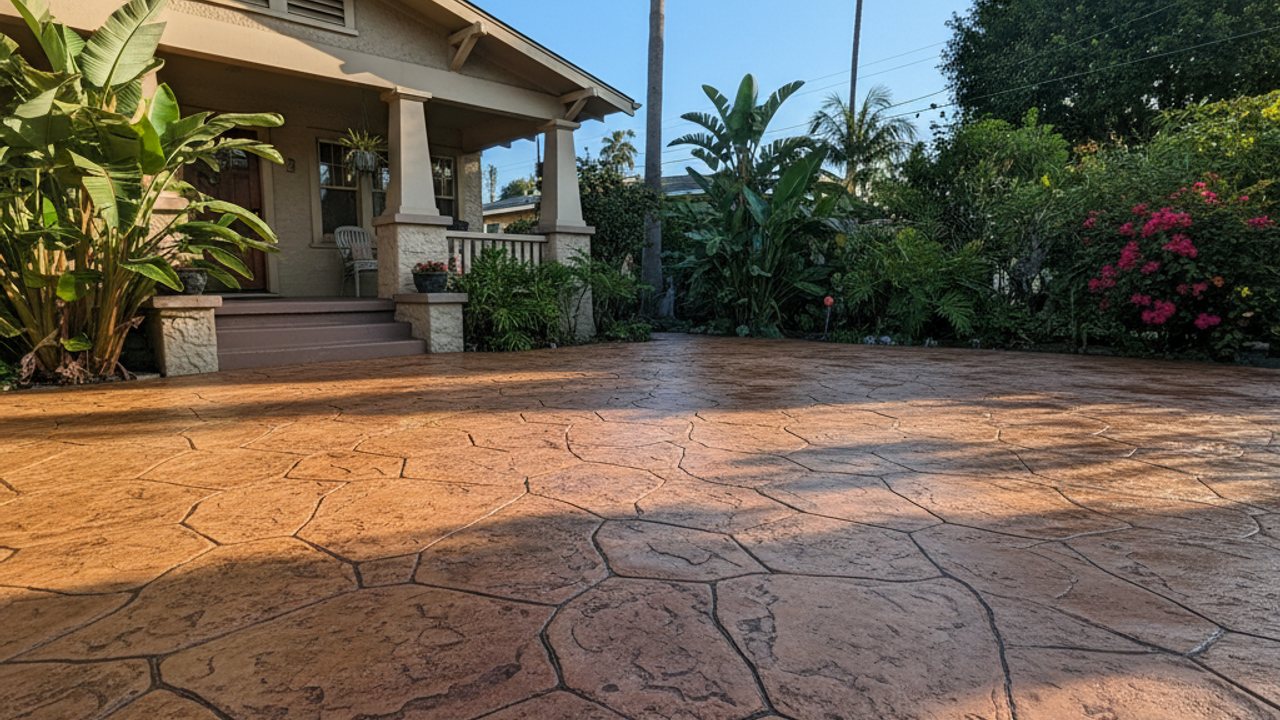
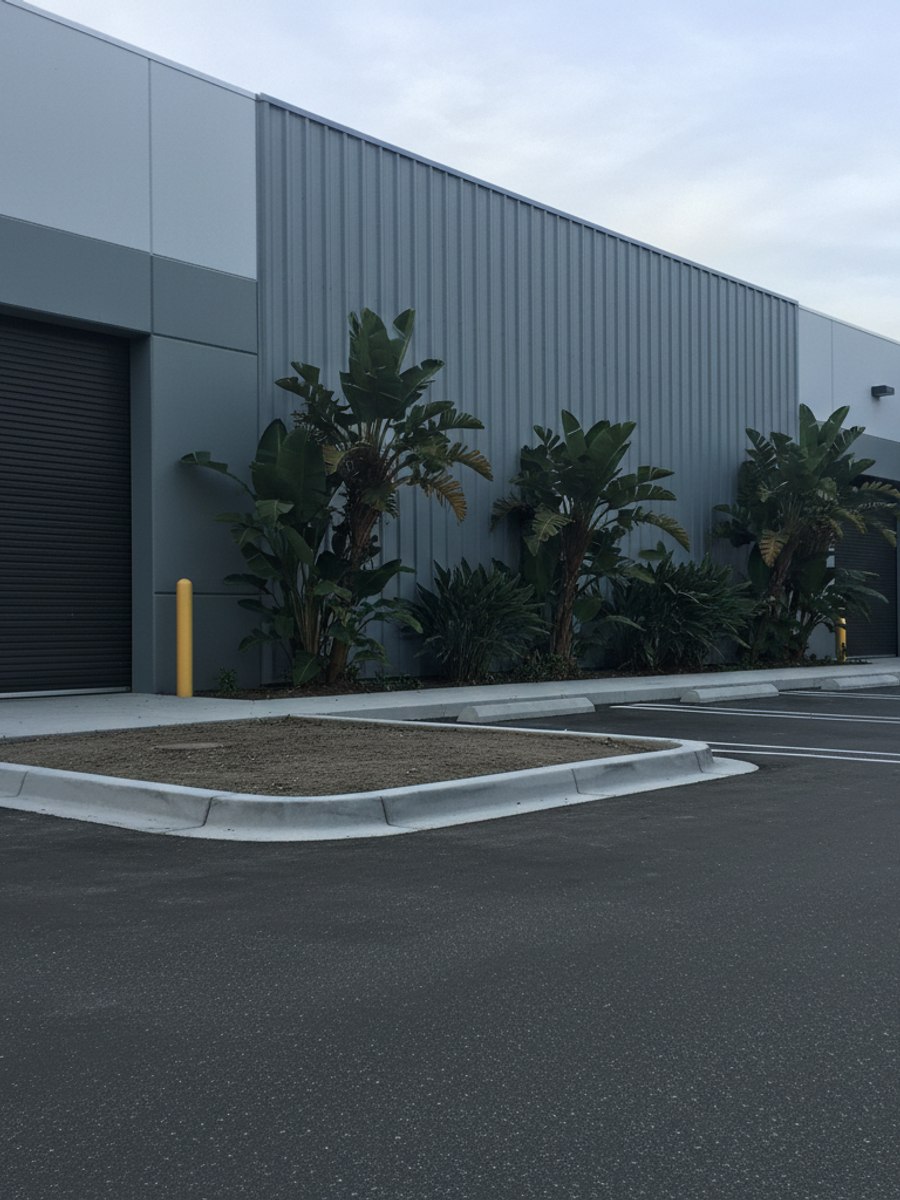
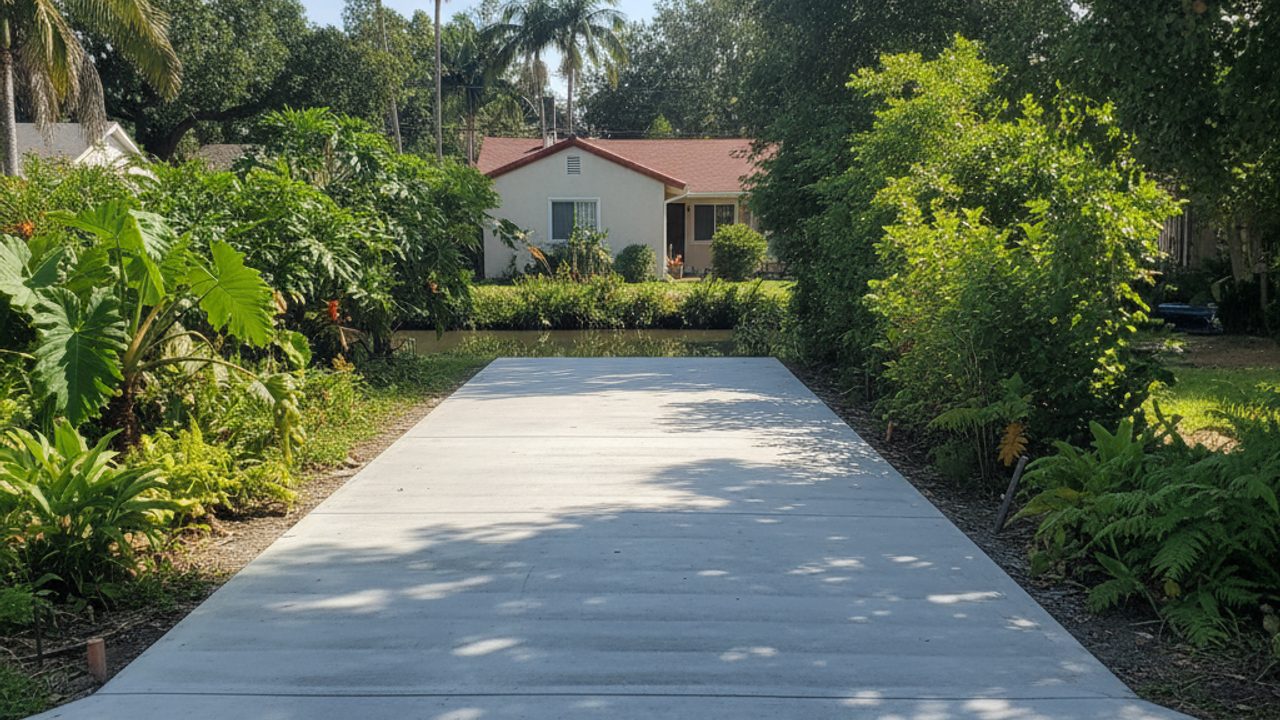
Every job below is one we do ourselves across Bossier City.
We build the base first, four to six inches of compacted gravel, before any concrete gets poured. Driveways get rebar instead of wire mesh since they take the weight of vehicles and trailers, and mesh alone won't hold a crack together once it splits. We slope every driveway away from the garage so water doesn't pool at the door.
Patios get a broom finish so they're not slick when they're wet, and we can add a stamped or exposed aggregate finish if you want more than plain gray. We set the slope so rainwater runs off toward the yard, not back toward your foundation. Control joints go in the same day we finish the pour.
We press the pattern into the slab while the concrete is still plastic, so the texture goes all the way through, not just a stain on top. Stone, brick, slate and wood-plank patterns are all options, and we can match colors close to whatever's already on your house. It costs more than plain concrete, but a lot less than actual pavers or natural stone.
Cracks, spalling, chipped edges and sunken corners are the usual calls we get. We match the existing texture and color as close as we can on patch work, though a repair on old concrete never disappears completely. If a slab has cracked badly or dropped more than an inch, we'll tell you honestly if it's a repair job or if it needs to come out.
We form and pour slabs for garages, workshops, sheds and home additions to whatever thickness the structure calls for. A vapor barrier goes down before the pour on anything that'll be heated or finished space. We'll pull permits with you if your parish or the city requires one for the structure going on top.
Walkways get their own control joints and expansion joints where they meet a driveway or porch, since two slabs poured at different times move differently. We keep the base compacted the same as we would on a driveway, even though foot traffic is a lighter load. A cracked or heaved walkway is usually a sign the old one never had a proper base.
Steps get poured with rebar tied into the footing so they don't separate from the house over time. We check the rise and run against code before we form anything, since uneven steps are a fall risk and an inspection flag. Porches can be finished plain, broomed or stamped to match a patio.
We wash back the top layer of cream while the concrete is still green, exposing the stone underneath for a textured, non-slip surface. It holds up well around pools and patios where a smooth trowel finish gets slick. The aggregate itself can be a stock gray gravel or a decorative stone if you want more color.
If a slab has sunk without cracking badly, we can pump a fill material underneath it and raise it back level instead of demolishing it. This works on sidewalks, patios and porch slabs more often than driveways, since driveways usually need a look at what's happening underneath first. It's faster and cheaper than a full tear-out when the concrete itself is still in good shape.
We build small to mid-size retaining walls to hold back a slope or level out a yard with drainage problems. Every wall gets weep holes or drain pipe behind it, since a wall that traps water behind it is a wall that eventually leans or fails. Block, poured concrete and stacked stone are all options depending on the height and the look you want.
Four steps, and no surprises in any of them.
You tell us what you want doing, we look at what is actually there, and we ask the awkward questions early.
In writing, itemised, free. If something might add cost later we flag it now rather than at the end.
Same crew throughout. We cover your floors, keep the dust down and tidy up before we leave each day.
You point out anything you are not happy with and we fix it before the invoice, not after.
A few finished driveways and patios from around Bossier City.
Site visits and pours are scheduled throughout this service area.
Questions that tend to come up once a concrete project is underway.
Describe the problem and we will tell you what it probably is. No obligation.